
By Rabbi Matt Derrenbacher
Guest Columnist
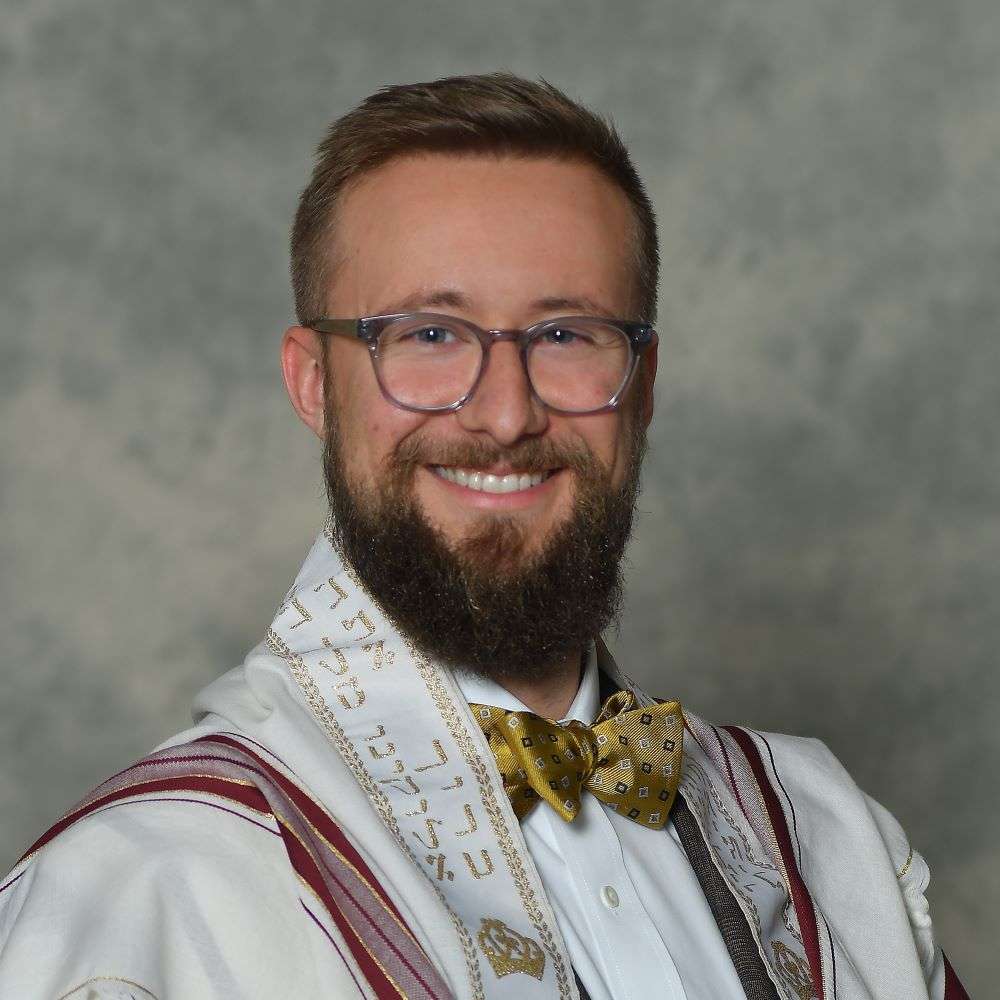
Rabbi Matt Derrenbacher
At the end of May, I traveled to South Africa with Hebrew Union College and JDC Entwine, an initiative of the American Jewish Joint Distribution Committee. Along with fellow rabbis, cantors, Jewish educators, and HUC students, we journeyed to Cape Town to explore the history of the South African Jewish community and to witness firsthand the enduring legacy of apartheid and its ongoing impact on society. While it’s nearly impossible to distill such a meaningful week into one article, three profound moments of Torah—living, breathing Torah — remain etched in my heart.
- Shabbat in Cape Town: The Joy of Belonging
Midway through the trip, we welcomed Shabbat at Temple Israel, Cape Town’s Progressive Jewish community. As the congregation gathered and the rabbi welcomed us all to Friday night Kabbalat Shabbat services, the guitarist began to play a familiar rendition of Hinei Mah Tov, a song and melody that many of us in Louisville would readily recognize. As the evening unfolded, we were enveloped in a rich musical tapestry blending American camp tunes, Israeli and traditional melodies, and distinctly South African songs. We prayed from a unique version of Mishkan T’filah, the Progressive/Reform siddur, adapted specifically for the South African Jewish community by the Central Conference of American Rabbis and the World Union for Progressive Judaism. The melodies, texts, prayers, and community all felt so familiar, and at the same time, a little different. Yet, there was a unique sense of oneness in the shared Jewish experience. We, as Jews, can truly go anywhere in the world and connect meaningfully with the local Jewish community. In a room full of people I had never met before, we were able to sing, pray, and welcome Shabbat together with joy and love in our hearts and our songs.
- Robben Island: The Sacred Work of Memory and Healing
The next day, we visited Robben Island, where Nelson Mandela was imprisoned for 18 years. Our guide, Dede, had been a close friend of Mandela, as well as a fellow political prisoner. As we explored the grounds and walked through the prison halls, Dede stopped before a small, bare cell and said quietly, “This was my cell. Years of my life were taken from me here.” He told us about his time in prison, how he was eventually freed, and that he has chosen to spend the last 22 years walking through and giving tours of a place that brought him so much pain and stole so much time from him, all in the name of educating others and encouraging healing in our world through education and reconciliation. What struck me most was the purpose he now brings to that place, transforming his own trauma and suffering into a powerful testimony of perseverance, survival, love, and forgiveness through education. Dede also taught us the word ubuntu, which comes from Zulu and Xhosa, the Nguni family of languages in South Africa. Like Hebrew, these South African languages are rich in meaning, so the term can be used, translated, and understood in several ways. Ubuntu is commonly translated as “shared humanity” or “I am because you are.” In sitting with that piece of Torah, of deep, meaningful teaching, I couldn’t help but think of places in Jewish tradition where the essence of ubuntu shines through. The Talmud teaches us that, “…every Jew is responsible for one another” (Shevuot 39a). The Torah also teaches us 36 times (a double chai!) that we are to love the stranger as ourselves, for we know what it was like to be strangers in the land of Egypt. It’s a reminder that our lives are inextricably linked—and that healing begins when we recognize that truth. Ubuntu and Jewish ethics speak in one voice: to be fully human is to be in relationship, to carry one another’s burdens and joys.
- Langa Township: Cultivating Dignity and Hope
Later in the week, we spent time in Langa, one of Cape Town’s Townships. These communities were born out of the 1923 Urban Areas Act, which displaced Black South Africans and forced them into segregated, under-resourced zones. While apartheid officially ended in the 1990s, its economic and social legacy continues to shape daily life. Many living spaces in Langa still lack running water. Opportunities for mobility remain scarce, and cycles of intergenerational poverty persist. But amid these challenges, we witnessed hope. With the support of JDC and local partners, residents have established agrohubs—small agricultural cooperatives that grow fresh produce for their community and sell to restaurants in Cape Town. These initiatives provide both food security and economic empowerment. They are grassroots expressions of resilience and justice, grounded in human dignity. Walking through those agrohubs, I was reminded that words of Torah do not only live in scrolls that we hold so sacred. They live in soil, in sweat, in every act that brings nourishment and equity to our world. As Pirkei Avot teaches, “It is not your duty to complete the work, but neither are you free to desist from it” (Avot 2:16).
A Tapestry of Torah and Humanity
These three moments—welcoming Shabbat in Cape Town, walking the path of memory with Dede, and witnessing dignity grow in Langa—wove together a tapestry of what it means to live Torah in our generation. All of the deeply moving experiences I had on this trip reminded me just how much Jewish tradition brings people together and truly champions that oneness. On Shabbat, the Jewish community came together as one to sing and pray in harmony, without even knowing one another’s names. The day after, Dede reminded us of the power of shared humanity and the responsibility we have toward one another. Finally, the experience in the Townships further reminded us that it takes not only words, but actions from each person to truly make our world a better place. The combination of these three moments and pieces of Torah speak to the heart of Tikkun Olam, repairing our world. They are reminders that Tikkun Olam isn’t just an abstract idea. It’s sung in harmony on Shabbat. It’s spoken in the quiet retelling of a man’s trauma and healing journey. It’s cultivated in a garden of hope. Jewish tradition calls us not just to pray, but to act. To recognize the divine spark in each person. To build communities rooted in compassion, justice, and shared humanity. May we each be inspired to see the other as part of ourselves—and to build a world where that truth is lived each day.
Matt Derrenbacher is Assistant Rabbi at The Temple