By Trent Spoolstra
JCRC Director
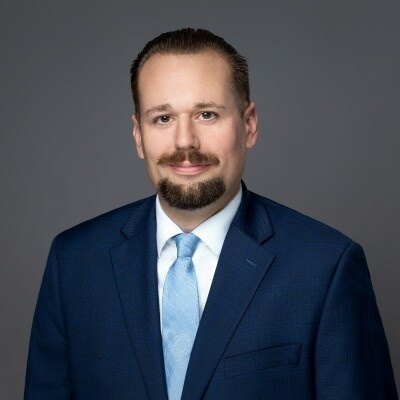
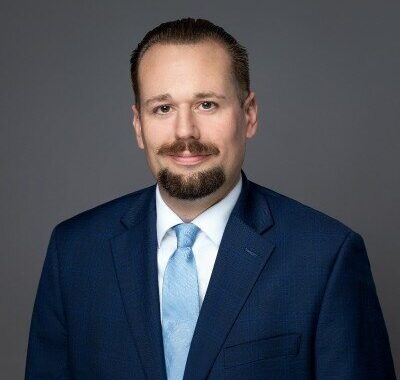
Trent Spoolstra, Director of the Jewish Community Relations Council
Like many individuals this past October 9, I was pleasantly surprised to learn of the ceasefire agreement between Israel and Hamas and relieved to see footage of the living hostages finally returning home. I join countless others around the world in continuing to hope and pray that the remains of all the hostages that died in captivity are also returned soon. Whether this current ceasefire will in fact hold and bring a new peace to the Middle East or fighting between Israel and her enemies will resume remains to be seen.
Since the announcement of the ceasefire and the return of the hostages, I have wondered what the ‘post post-October 7th’ world will look like, particularly as it pertains to Middle East politics, antisemitism, and the ongoing hyper-political partisanship of American society. Are there better days ahead, and how will our Jewish community be able to move on from the struggles of the last two years?
Before October 7th, Israel faced continued hostilities from Hamas and Hezbollah as well as Assad-led Syria. Serious plans to directly attack Iran were long a possibility, but viewed as a last resort. Since October 7th and the ensuing war, Israel has crippled both Hamas and Hezbollah, the Assad regime has fallen, and Iran’s nuclear program has been significantly set back. With all this in mind, what does the future hold for Israel’s standing in the Middle East?
The surge of antisemitism Jews continue to experience began close to a decade ago, led by such deplorable events as 2017’s ‘Unite the Right’ rally in Charlottsville and the attack on the Tree of Life synagogue a year later in Pittsburgh. The antisemitism that followed the October 7th terrorist attack on Israel was gasoline poured onto an existing wildfire. In the subsequent days and months, American Jews experienced not just traditional right-wing antisemitism, but now a newly energized antisemitism coming from the political far left. The pinnacle of this left-wing antisemitism arrived when numerous college campuses were overwhelmed with encampments, and the word “Zionist” became weaponized. So, will the current level of antisemitism that has plagued America over the last decade (particularly during the last two years) finally recede, or is this current level of antisemitism the new normal?
The increased hyper-partisanship of American politics over the last several years has also had a negative effect on the American Jewish community. The current political environment has made the work of Jewish Community Relations Councils even more challenging given our responsibility to remain nonpartisan and work with both Democrats and Republicans to achieve our goals. The issues of antisemitism and the Israel-Gaza war have been used as political footballs by both parties for their own gains. Political extremism laced with antisemitism continues to work its way more and more into mainstream politics from both the far left and right. This raises a defining question: Once the war between Israel and Hamas is definitively over and if the current level of antisemitism and hyper-partisanship continues, how will American Jews continue navigating this challenging political atmosphere?
Perhaps the most important issue to consider in the post post-October 7th world is how the Jewish community will heal internal strife. The Israel-Gaza war brought to the surface political differences within our community and caused significant divides that need to be addressed. One way our Louisville Jewish community is addressing this discord is through the Year of Civil Discourse initiative that will begin soon. This project will consist of three parts: First, close to 100 individuals have been selected to go through half-day introductory sessions into constructive dialogue taking place November 11, 12, and December 1. The organization leading these training days is Resetting the Table, a nationally recognized institution that specializes in helping individuals have difficult conversations. Second, select individuals that participate in Part One will receive advanced individual training from Resetting the Table. Finally, throughout next year, various community-wide events will be held focusing on topics that have divided our community, and those that received advanced training by Resetting the Table will lead us in facilitated conversations. The Year of Civil Discourse’s purpose is not to change people’s opinions, but for us to learn to have productive and civil conversations about challenging topics we strongly disagree on. My personal hope is that this initiative will not only help bring our Louisville Jewish community closer together but serve as a model that can be used for other Jewish communities across the country.
It has been a long and difficult two years. I have worked as a Jewish professional since 2021, and the crossroad in my career was and remains October 7th. I hope with the end of the war and the return of the hostages, Jews worldwide will find better days ahead and we can finally put the post October 7th world behind us.
Trent Spoolstra is the Jewish Communiy Relations Council Director at the Jewish Federation of Louisville and the Trager Family JCC. He welcomes you to contact him about community related issues at tspoolstra@jewishlouisville.org.